FEATURE
Accelerating Collaborative Sustainability in the Tapes Industry
The True Cost of Filling Equipment
Opportunities to increase market share will increase when companies are pre-positioned for growth in a resilient and scalable way.
The True Cost of Filling Equipment
By Lisa Anderson, Founder and President, LMA Consulting Group
By Jack Johnson, National Sales Manager, ProSys Fill LLC, Webb City, Missouri
Why upfront savings can lead to long-term losses and how to choose the right supplier.
When manufacturers invest in filling equipment, the decision often comes down to price. However, focusing solely on upfront costs can lead to significant long-term expenses that outweigh the initial cost savings. Total cost of ownership (TCO) is the true measure of value, encompassing factors such as maintenance, downtime, energy efficiency, and overall productivity. Understanding TCO and selecting the right supplier can make the difference between a high-performing, cost-effective production line and a costly operational headache.
Understanding Hidden Expenses
TCO is a comprehensive calculation that reveals what a piece of equipment will truly cost over its entire lifespan. While low-cost filling machines may seem appealing at first, their hidden expenses can quickly outweigh the initial savings. Frequent repairs and maintenance are common with lower-end machines, which often rely on cheap materials and poorly designed components. These machines tend to break down more frequently, leading to costly service, extended downtime, and increased labor expenses. Every minute of unplanned downtime can disrupt production schedules, delay shipments, and ultimately reduce revenue.
In addition to maintenance concerns, low-end machines are often energy inefficient, consuming excessive power and driving up utility bills. These systems typically lack energy-saving features found in premium equipment, resulting in unnecessarily high operational costs over time. Product waste is another significant drawback — inaccurate filling machines risk overfilling, which reduces profitability, or underfilling, which can trigger costly rework, compliance violations, or even product recalls.
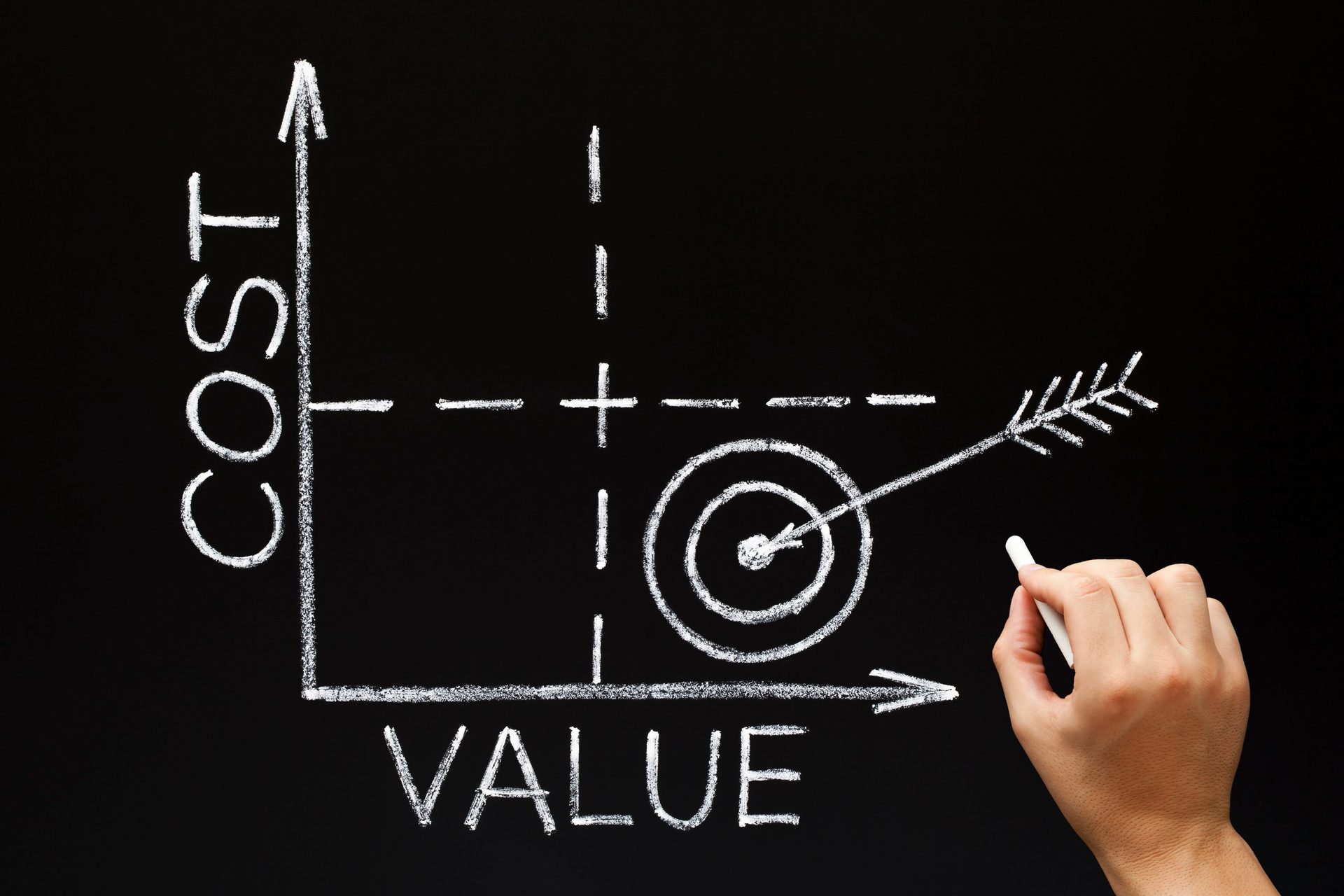
Images courtesy of IvelinRadkov / iStock / Getty Images Plus.
Labor costs can also rise with lower-end equipment. Machines that require frequent manual adjustments, recalibrations, or operator intervention slow production and increase the demand for training. Compounding these issues, budget equipment may fail to meet strict regulatory standards in industries like pharmaceuticals, cosmetics, and food, putting businesses at risk of legal repercussions, fines, and damaged brand reputation.
By prioritizing TCO over upfront cost, manufacturers can make informed purchasing decisions that contribute to greater profitability, efficiency, and long-term success. Investing in well-built equipment reduces unexpected expenses, streamlines operations, and ensures better financial stability in the years to come.
What to Look For
Investing in high-quality filling equipment is just one part of the equation. Choosing the right supplier ensures that your investment delivers lasting value. A reputable supplier should provide machines made from durable, corrosion-resistant materials, such as stainless steel, ensuring long-lasting performance with minimal maintenance. The supplier should also prioritize TCO transparency, helping buyers understand long-term expenses such as maintenance schedules, expected lifespan, energy efficiency, and operational costs. If a supplier focuses solely on upfront pricing, it's a red flag that they may not be considering the full financial picture.
Industry experience is another critical factor. Not all filling equipment suppliers are equal, and selecting one with expertise in your specific industry — whether it's adhesives and sealants or another industry — ensures they understand the unique challenges and compliance requirements of your market. The ability to customize solutions is equally important. One-size-fits-all equipment rarely works in filling operations, so a good supplier should offer customization options that align with your production needs, container types, and product viscosities.
Beyond the equipment itself, after-sales support and service play a crucial role in ensuring long-term value. The best suppliers offer comprehensive after-sales support, including readily available spare parts, remote diagnostics and troubleshooting, on-site service technicians, and operator training programs. Additionally, modern filling equipment should integrate automation features such as real-time monitoring, predictive maintenance, and quick changeover capabilities. These advancements reduce labor costs, increase accuracy, and improve overall efficiency.
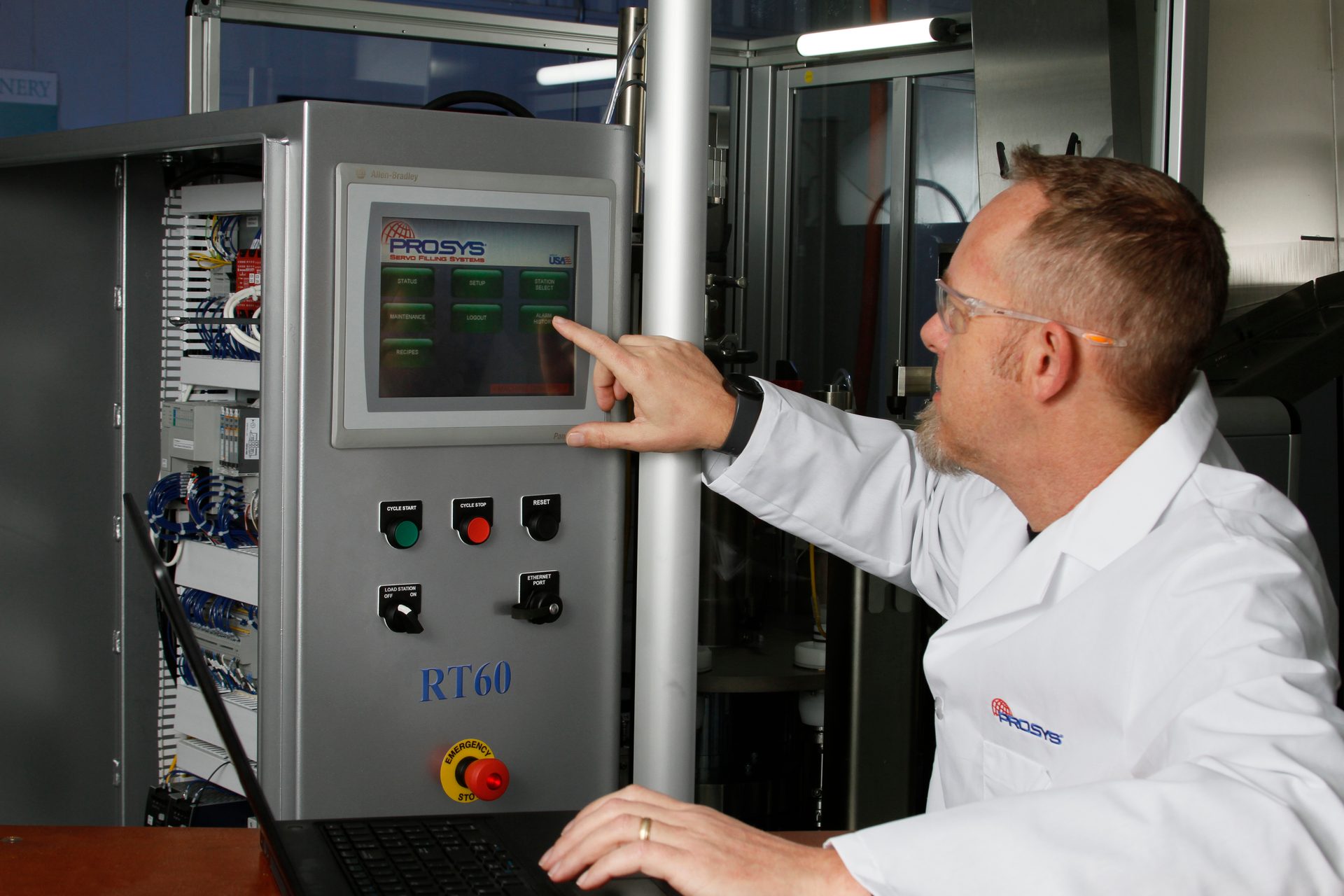
Comprehensive after-sales support includes readily available spare parts, remote diagnostics and troubleshooting, on-site service technicians, and operator training programs.
Compliance with regulatory standards cannot be overlooked. Ensuring the supplier's equipment meets industry regulations, such as FDA, GMP, and ISO certifications, minimizes legal risks and ensures product consistency. Lastly, businesses should consider scalability when selecting a supplier. Production needs evolve over time, and modular equipment that can scale with business growth is far more valuable than a system requiring full replacement as demand increases.
Making a Smart Investment
Investing in filling equipment is a significant financial decision, and cutting corners on upfront costs can lead to major financial losses down the road. By understanding TCO and choosing a supplier that prioritizes quality, reliability, and long-term value, manufacturers can ensure they make a smart, future-proof investment.
ProSys Fill designs its filling machines with efficiency, durability, and cost-effectiveness in mind. The company's commitment to high-quality materials, precision engineering, and strong customer support ensures that their equipment provides a superior return on investment. ProSys Fill machines are designed for long-term durability, precision filling, automation and efficiency, and customization options.
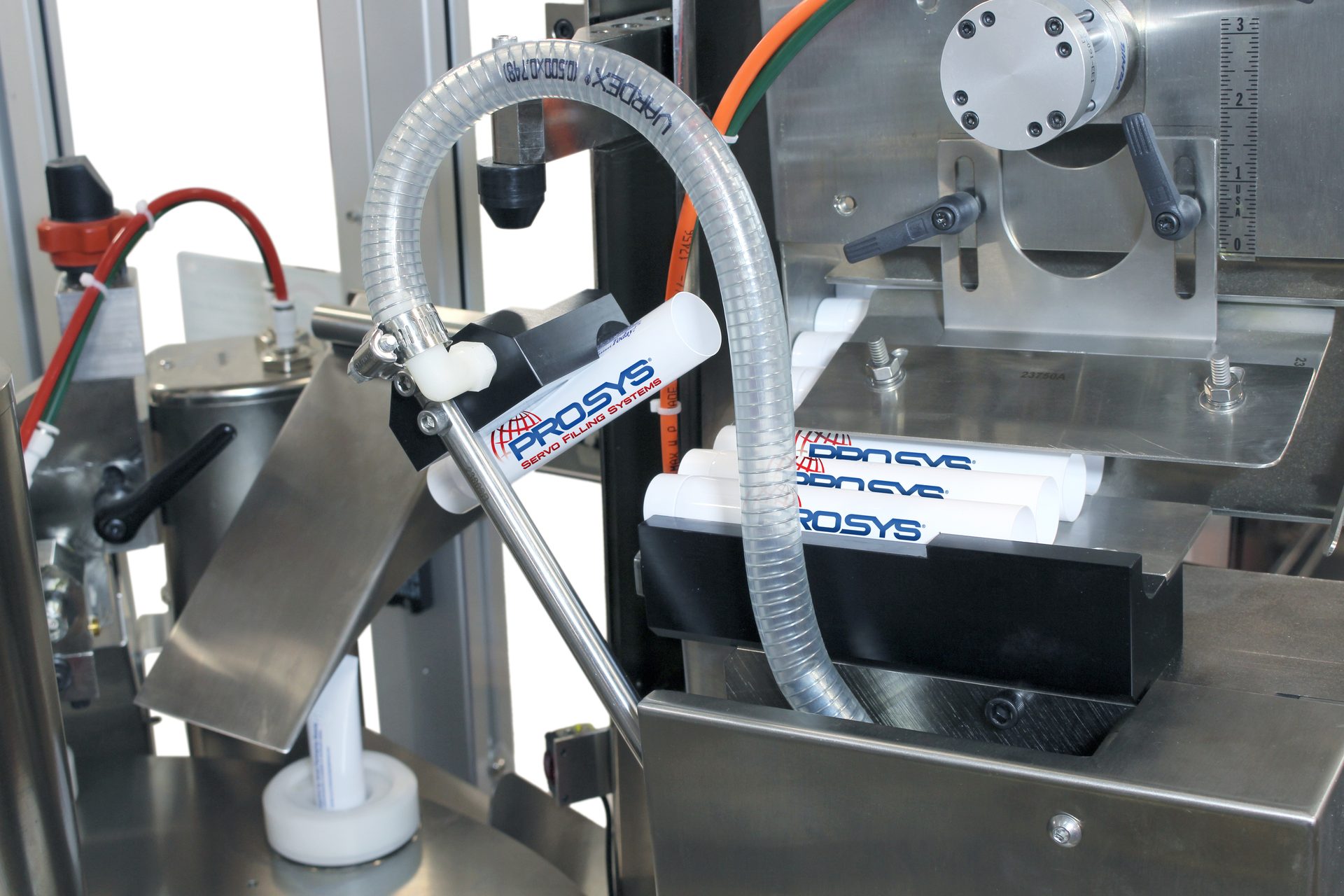
ProSys Fill designs its filling machines with efficiency, durability, and cost-effectiveness in mind.
By partnering with a supplier that meets these comprehensive needs, manufacturers can confidently invest in filling equipment that not only meets their immediate needs but also delivers long-term cost savings and operational efficiency. When evaluating filling equipment, ask yourself: Will this machine save me money over time, or will it cost me more in maintenance, downtime, and inefficiencies? The answer to that question should guide your purchasing decision — because when it comes to filling equipment, the cheapest option is often the most expensive in the long run.
Learn more about ProSys Fill at prosysfill.com.
Opening image courtesy of sankai / iStock / Getty Images Plus. Article images courtesy of ProSys.